

Project in Inner Mongolia 40–50% LESS WATER. 60% LESS LABOR
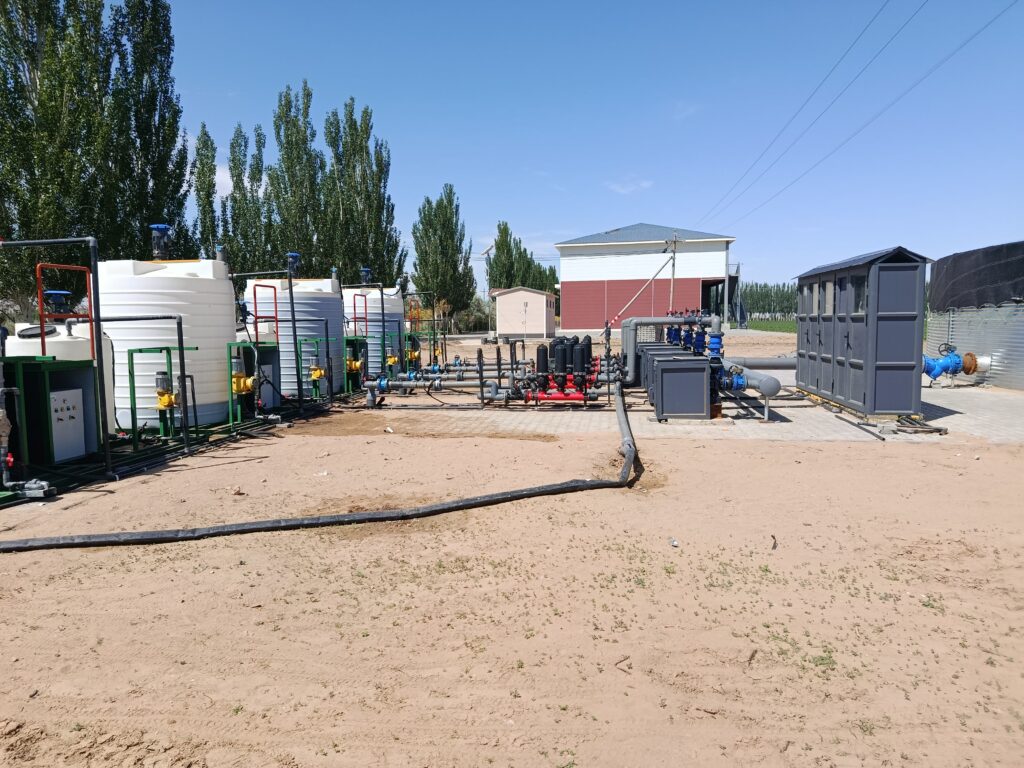
Smart irrigation automation. This is not a pilot, not a simulation but a real irrigation automation project running in Inner Mongolia. The farm grows corn and paprika on sandy soil (70%+ sand), where water retention is low and manual irrigation leads to over-watering, high labor costs, and equipment damage. So what was done? Irrigation valves […]
Tensiometer Without Pressure Gauge
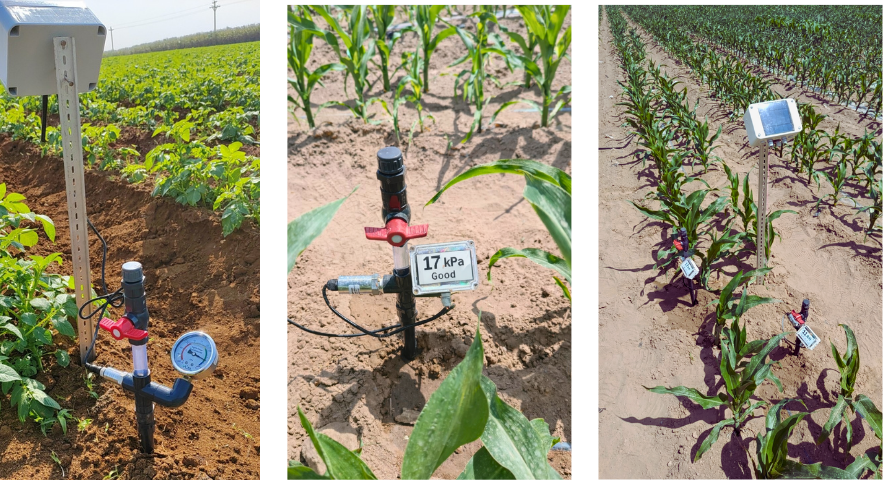
The good old tensiometer scares people for two very human reasons. First — it needs water refilling. Second — it has a mechanical pressure gauge that looks fragile and outdated next to today’s sleek, hi-tech soil moisture sensors. We still can’t avoid refilling water.That’s physics, and that’s fine. But the gauge?That part we can fix. […]
AI + Tensiometers
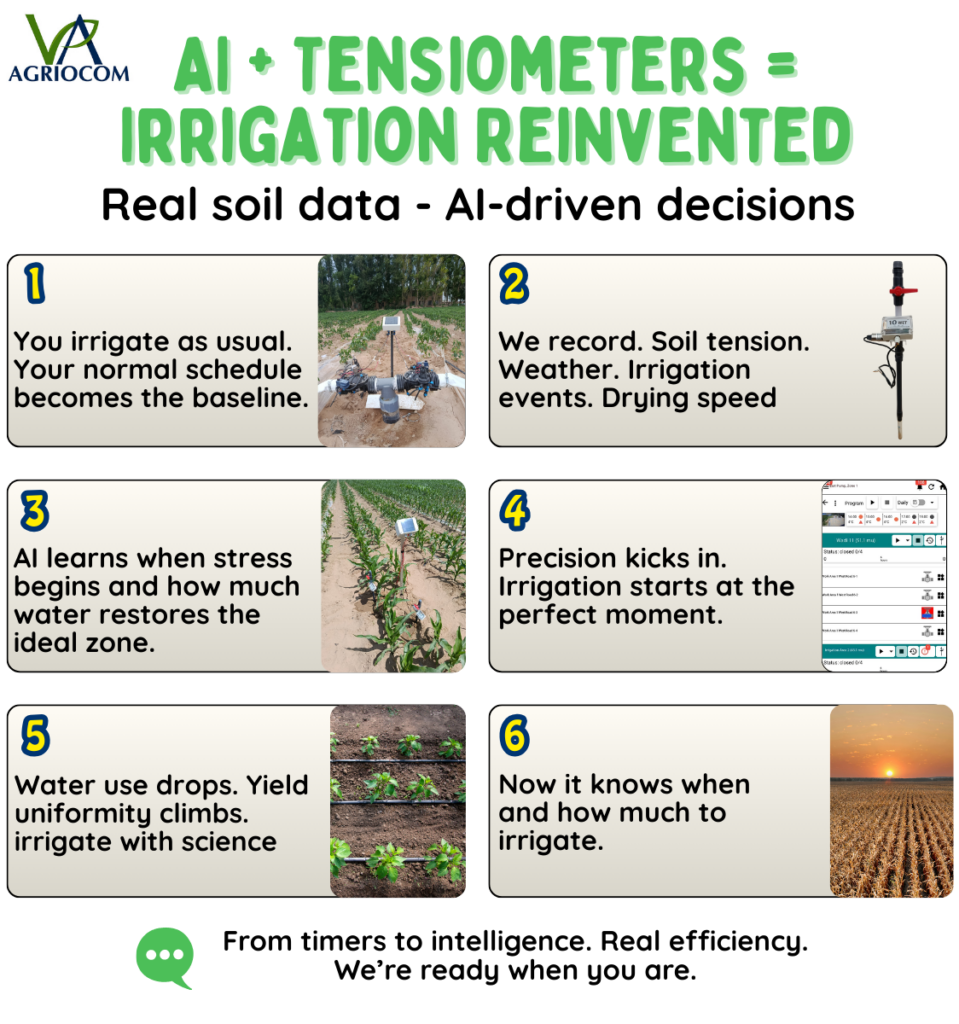
Why Tensiometer For Irrigation Control
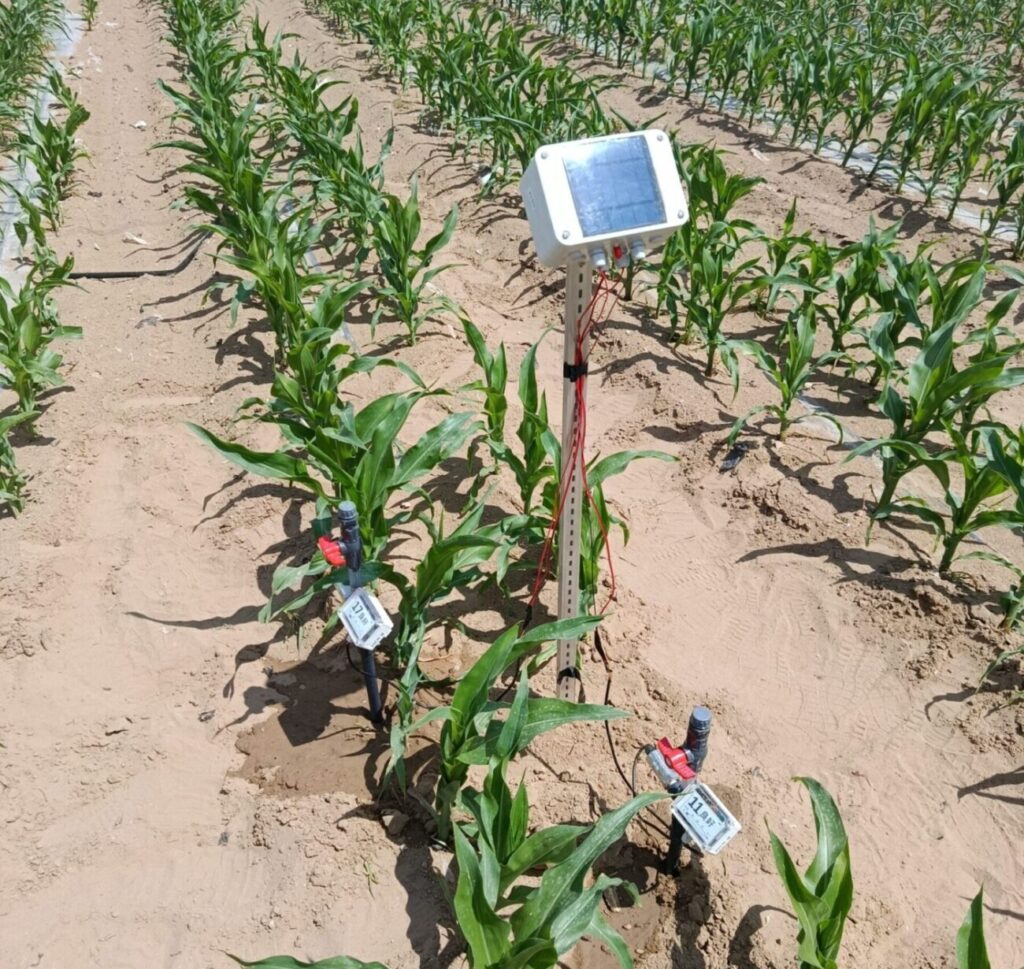
Why We Chose Soil Tensiometers for Automatic Irrigation Control Automatic irrigation only works if the data behind it is clear and actionable. That’s why we didn’t choose traditional soil moisture sensors. Moisture sensors depend heavily on soil type, calibration, and drift over time.The same “moisture %” can mean very different things in different soils — […]
Tensiometer for Our Children
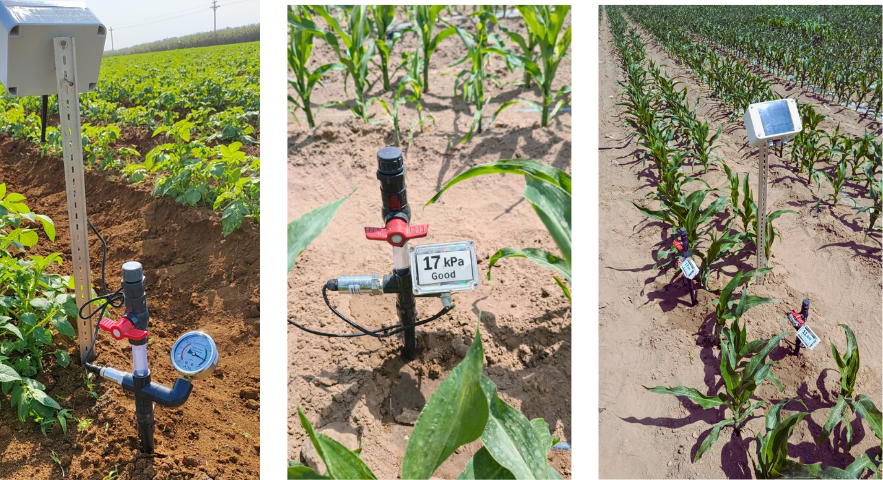
The good old tensiometer scares people for two very human reasons.First — it needs water refilling. Second — it has a mechanical pressure gauge that looks fragile and outdated next to today’s sleek, hi-tech soil moisture sensors. We still can’t avoid refilling water.That’s physics, and that’s fine.But the gauge?That part we can fix. Replacing the […]
Meet Tensiometer AgrioTens
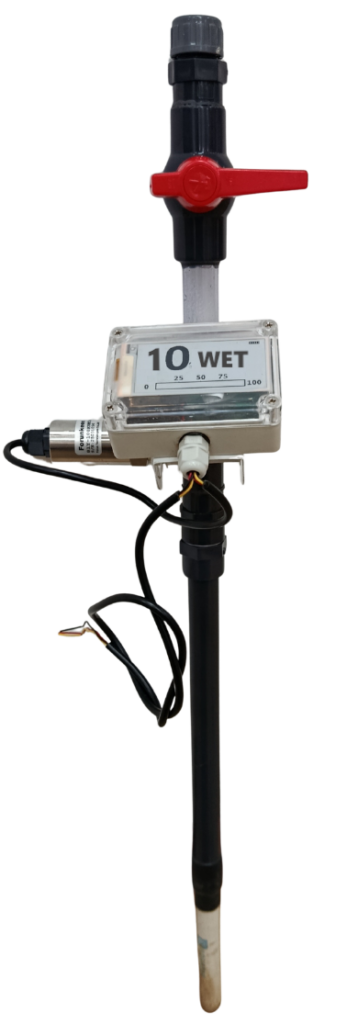
Tensiometer has been long time used by growers to measure soil moisture and make irrigation decisions. It measures the tension that the plants roots need to apply to extract water from the soil. Below 20 kpa indicates wet soil while above 40 kpa indicates dry soil. Unlike capacitive soil moisture sensor tensiometer doesn’t depend on […]
Soil moisture sensors: expectation vs reality
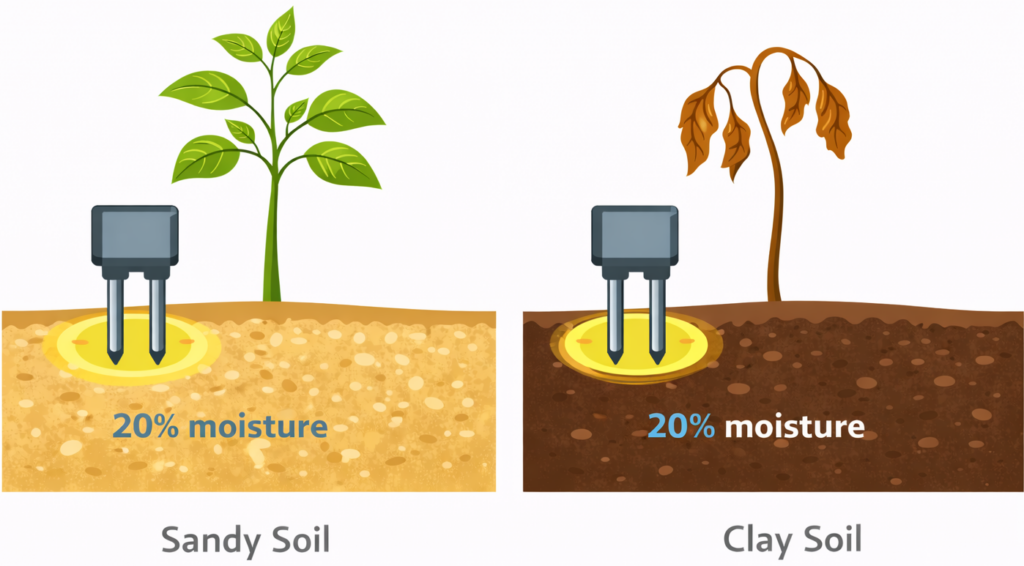
Expectation Reality The reasonsThe problem is not the sensor itself. VWC sensors measure capacitance, not soil moisture directly.This leads to several fundamental limitations: Soil moisture sensors can provide useful trends and local signals, but expecting them to deliver reliable, absolute irrigation decisions on their own is unrealistic.